The US Supreme Court on Monday is hearing a case that could have major implications for the independence of federal agencies long shielded from the White House.
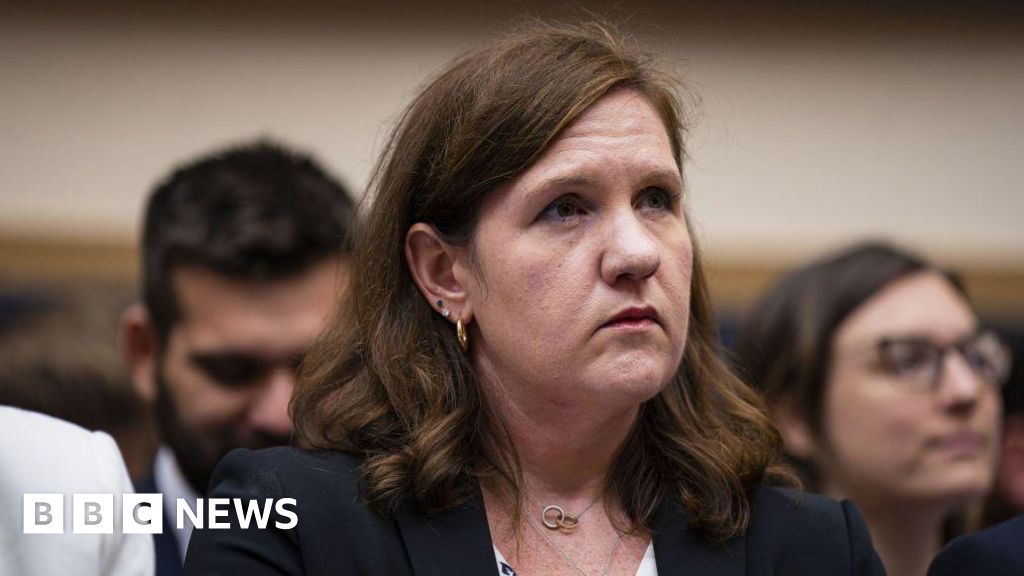
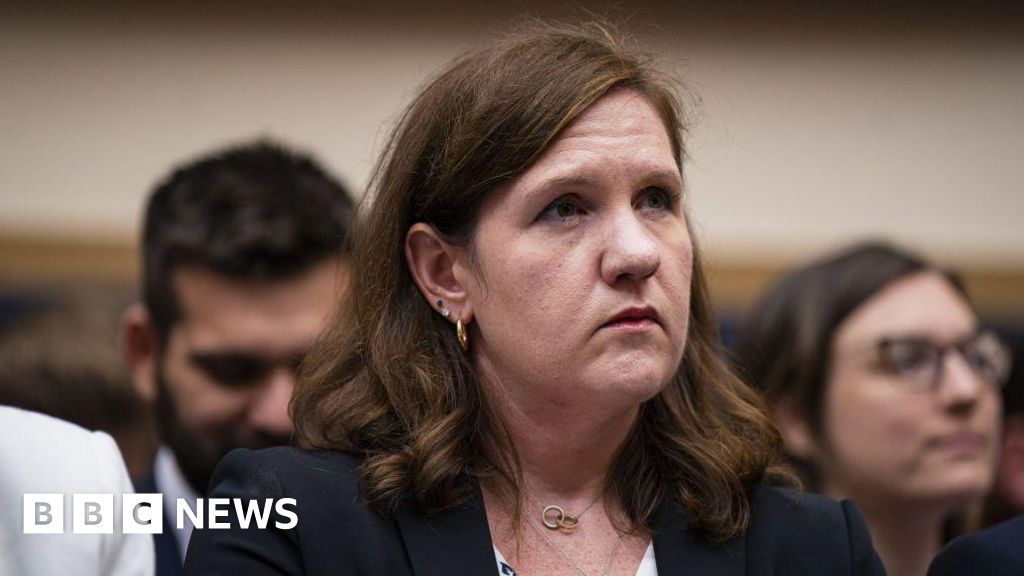
The case, called Trump v Slaughter, stems from President Donald Trump’s firing in March of Rebecca Kelly Slaughter, alongside another Democratic member of the Federal Trade Commission (FTC).
The court is hearing arguments on whether Trump had the authority to fire a member of the FTC despite a law that says a commissioner can only be fired for “inefficiency, neglect of duty, or malfeasance in office”.
Ms Slaughter sued Trump after she was ousted for being “inconsistent with [the] Administration’s priorities”.
A lower court ruled that Ms Slaughter had been illegally removed from the FTC, leading the Trump administration to appeal the ruling to the Supreme Court. In a 6-3 decision, the conservative-majority court in September issued an emergency order maintaining her firing until the case could be heard.
Trump has argued a president should be able to have full control over government agencies, even those set up by Congress to be shielded from presidential interference.
When the FTC was established in 1914 – to protect the public from deceptive business practices and unfair competition – Congress passed a law saying a president could only remove commissioners for cause and that the five-member commission can have no more than three members of the same political party.
Trump appointed Ms Slaughter in 2018 to fill a Democratic position on the FTC, and she was later reappointed by former President Joe Biden.
Similar firing rules exist for other independent agencies like the National Labor Relations Board.
The law was put to the test in 1935, when President Franklin Roosevelt tried to remove a member of the FTC, leading the Supreme Court to uphold the independence of certain federal agencies like the trade commission.
In the 90-year-old ruling known as Humphrey’s Executor, the court found that, while the president has the ability to remove executive officers without cause, such a power does not apply to agencies like the FTC that are “neither political nor executive, but predominantly quasi-judicial and quasi-legislative”.
The Supreme Court is also set to take up a separate case on whether Trump had the power to remove Lisa Cook, a member of the Federal Reserve Board of Governors.