Australia is chasing sovereign AI. A senior U.S. official warns that the chase can become a trap.
Jacob Helberg, U.S. Under Secretary of State for Economic Affairs, said in a June 23 Substack post that governments risk falling into a “digital sovereignty trap” when they try to recreate the whole artificial intelligence stack inside their own borders.
His warning was aimed at countries that believe independence means building their own computers, data, models and cloud systems from scratch.
But the argument also lands in Australia.
The federal government wants more AI capability. States want data centre investment. Tech companies want local infrastructure, fast approvals and access to power, water and data.
That raises a harder question.
Will Australia build real AI capability, or will it supply the land, electricity, water and copyrighted content while foreign-controlled companies own the models, platforms and margins?
Ai Sovereignty Trap Reaches Australia
Helberg’s phrase matters because “sovereignty” now sells well.
Governments like it. Technology companies use it. Infrastructure promoters use it. Voters hear it and think of independence.
But a country does not become digitally sovereign merely because foreign-owned data centres sit on its soil.
Real sovereignty depends on control.
Who owns the models?
Who owns the data?
Who controls the cloud platform?
Who gets the profit?
Who gets access to the compute?
Who pays for the power, water, planning costs and political risk?
Those questions now sit at the centre of Australia’s AI debate.
The Australian Government released national expectations for data centres and AI infrastructure developers. It says projects should support Australia’s national interest, strengthen the energy grid, use water responsibly, create local jobs and build research and innovation capability.
Those aims sound sensible.
But expectations are not the same as enforceable control.
If Australia hosts more data centres without securing local access, local capability and local economic return, the country may simply become an infrastructure base for someone else’s AI empire.
Data Centres Are Not Sovereignty
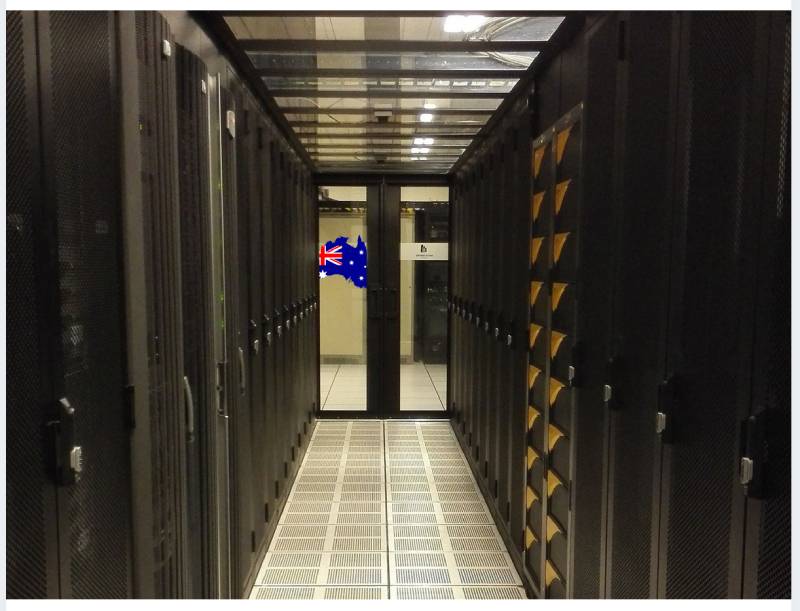
Australia’s data centre boom is already moving from abstract technology policy into local politics.
In South Australia, a proposed artificial intelligence data centre near Bundey divided local communities. Supporters point to jobs and regional investment. Critics want answers about power and water.
ABC reported that the proposed Bundey project could need up to 800 megawatts of electricity. It also reported that irrigators want to know whether the centre could draw on Murray River water.
The company behind the project, IREN, told ABC the facility would use a closed cooling system and would not consume water on an ongoing basis.
That may answer one technical question. It does not answer the sovereignty question.
If a data centre consumes vast local resources, Australia still needs to know what durable national capability remains.
Construction jobs matter. So do regional jobs.
But long-term sovereignty requires more than a building full of servers.
It requires Australian engineers, Australian researchers, Australian start-ups, Australian publishers, Australian businesses and Australian public institutions to gain access to the tools they need.
Otherwise, Australia may repeat a familiar resource pattern.
The country supplies the inputs. Others own the value chain.
Copyright Is Part of The Same Fight
The AI sovereignty trap also reaches Australian writers, publishers, musicians, artists and media companies.
Australian politicians are now arguing over whether AI companies should gain broader access to copyrighted material for model training.
Independent Senator David Pocock urged the Albanese government to stop technology companies training AI models on Australian content without proper safeguards. Greens Senator Sarah Hanson-Young called for a pause on new data centre approvals until stronger rules protect power, water, artists and businesses.
Industry Minister Tim Ayres rejected claims that the government plans to undermine copyright protections. He told the Senate that Australia should not become “a cork bobbing on the ocean of other people’s technology.”
That line captures the tension.
Australia does not want dependence. But dependence can arrive through the back door.
If foreign AI companies train on Australian content, use Australian power and water, gain fast-tracked approvals, and then sell access back to Australian users, the country may not have gained sovereignty.
It may have rented itself out.
Sovereign Ai Becomes a Sales Pitch
There is another risk.
“Sovereign AI” can become a marketing term.
Cloud firms, chip companies and AI infrastructure providers increasingly sell governments sovereign clouds, sovereign AI factories and national AI platforms.
That can blur the meaning of sovereignty.
The word may suggest public control. The contracts may deliver private dependency.
An academic paper published this year described this as the commodification of AI sovereignty. It warned that private technology providers may end up defining sovereignty on their own terms.
That is the danger for Australia.
A government can announce sovereign capability.
A company can announce an AI factory.
A state can announce billions in investment.
But none of that proves Australia controls the essential layers of the system.
Control means the ability to switch suppliers. It means access to compute on fair terms. It means protection for Australian content. It means transparency over water and power use. It means local technical capacity that survives after the ribbon cutting.
When Sovereignty Changes Meaning
The word “sovereign” now does strange work in Australian politics.
When attached to citizens, it often carries suspicion. Officials, courts and media outlets use “sovereign citizen” to describe people who reject government authority, court jurisdiction or police power.
When attached to technology, the same word becomes a selling point.
“Sovereign AI” sounds responsible. “Data sovereignty” sounds patriotic. “Sovereign capability” sounds like national strength.
That contrast should make Australians pause.
If sovereignty means control, the test should not depend on who uses the word. The same question should apply to governments, citizens and technology companies.
Who holds power? Who answers questions? Who carries the risk? Who controls the system?
In the AI debate, those questions lead back to the same problem. If Australia supplies land, power, water and data while offshore companies control the models, platforms and profits, the country may not be building sovereignty.
It may be buying dependence under a sovereign label.
The Questions Australia Should Ask
Australia should not reject AI infrastructure merely because it is large, foreign-backed or controversial.
The country needs computing power. It needs technical skills. It needs research capacity. It needs secure digital infrastructure.
But it also needs better questions before governments trade planning approvals, energy access, water access or copyright rules for investment announcements.
The first question is simple: what will Australia own?
The second is just as important: what will Australia control?
Governments should also ask whether local firms will get meaningful access to compute, whether Australian creators will receive payment when their work trains commercial models, and whether new energy supply will match new demand.
Communities should know how much water projects will use, what cooling systems they will deploy, and who carries the risk if demand forecasts fail.
Australia should also know whether the promised AI capability will strengthen local companies or merely deepen dependence on foreign platforms.
Digital Dependence in Sovereign Language
Helberg argues that countries should focus less on copying existing technology and more on innovation.
That point matters for Australia.
The country does not need slogans. It needs capability.
Hosting data centres may form part of that capability. So may trusted alliances, supply chains, research partnerships and cloud services.
But Australia should not confuse infrastructure with independence.
The AI sovereignty trap is the risk that Australia accepts the language of control while surrendering the substance of control.
If Australia supplies the data, power, water and land while others own the models, platforms and profits, the country will not have achieved sovereign AI.
It will have built digital dependence in sovereign language.