Before the dispute, Sa’ar and Kallas were in frequent contact as the EU pressed Israel to allow more humanitarian aid into Gaza. Sometimes they exchanged WhatsApp messages several times a day, according to a person familiar with their communication, granted anonymity to discuss the private exchanges, like others in this article. Kallas’ aides point to a humanitarian deal she helped broker to facilitate aid deliveries.
Some EU diplomats say the breakdown is a problem for the bloc’s diplomacy. “It’s a problem if the Israelis don’t want to speak with her,” one diplomat said. “You can’t solve [issues around Gaza] without them.”
The EU’s foreign policy roles are divided between Kallas and the European External Action Service, which handle political and security issues, and the Commission, which controls many of the bloc’s aid, development and economic tools.
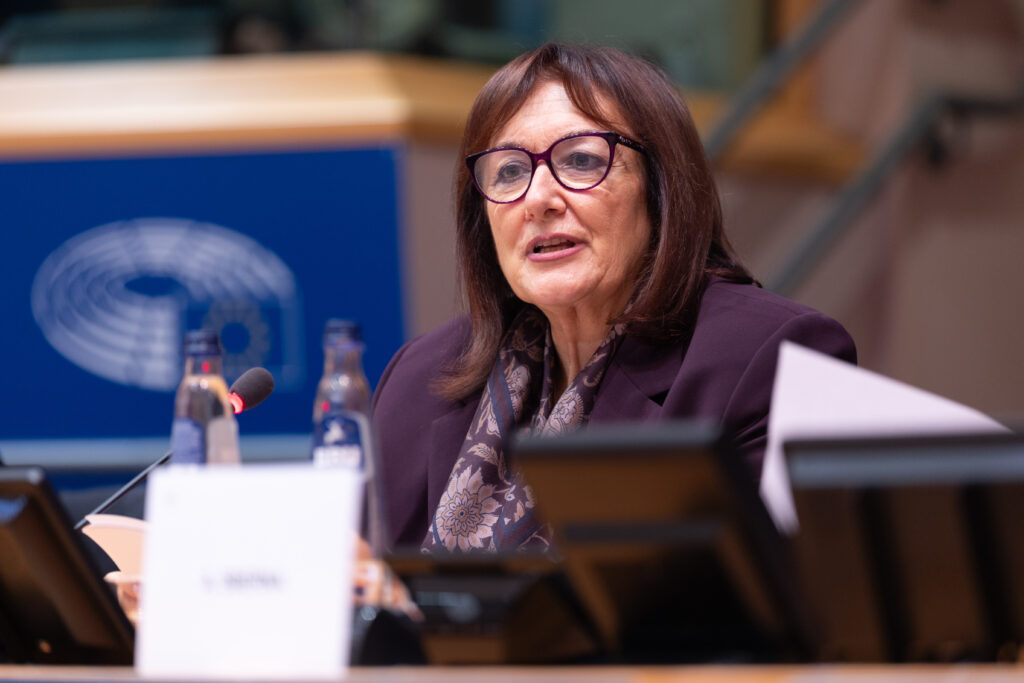
In practice, the responsibilities often overlap. Kallas and Šuica both took part in May’s EU-Syria political dialogue, and von der Leyen joined European Council President António Costa at January’s EU-Jordan summit.
Two EU officials familiar with the situation said Kallas and her diplomatic service were not being cut out of Middle East policy and that she worked closely with Šuica. Israel’s choice of whom to speak with was “a matter of personal preference,” one official said, adding that Sa’ar’s decision to bypass Kallas “looks personal.”
The dispute echoes tensions between Kallas’ predecessor, Josep Borrell, and Israel: Borrell openly criticized its actions in Gaza and the West Bank, and Israel reportedly signaled he was unwelcome, but never formally severed contact.