She added, however, that “any such decision should, obviously, be made on the basis of objective and transparent criteria,” stressing more broadly that “the EU supports the principle of fair play and transparent competition.”
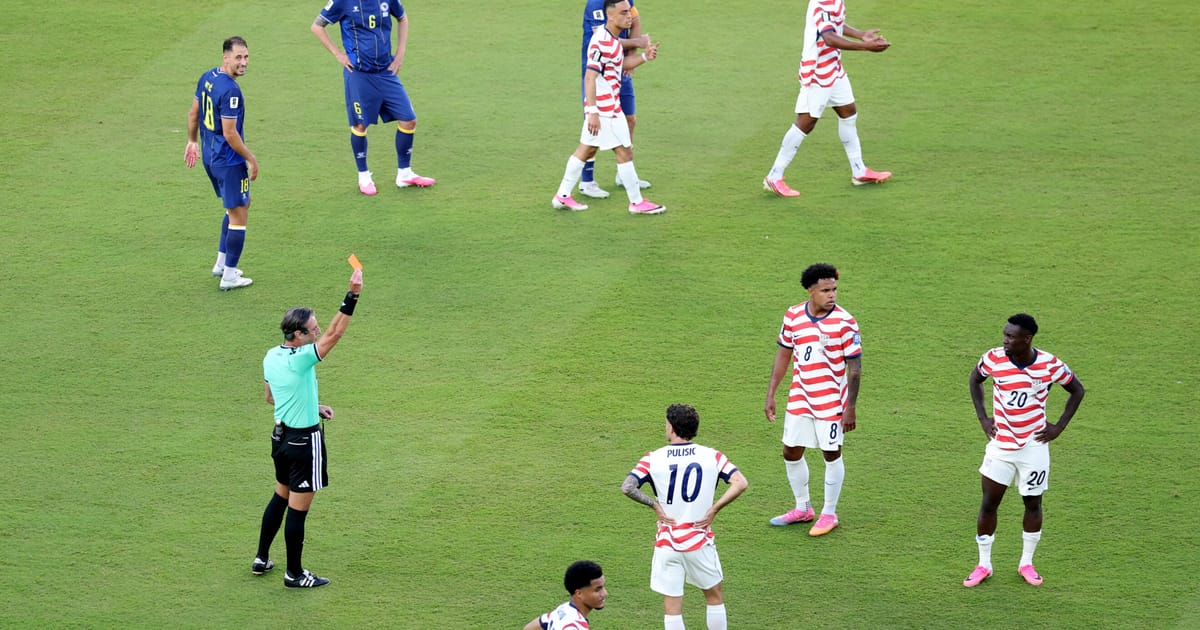
Balogun received a red card in the match against Bosnia and Herzegovina during the first knockout round, which meant he would be suspended for the last-16 game against Belgium. After Trump called Infantino on Thursday, the suspension was revoked. FIFA declined to confirm any specific discussions but reiterated to POLITICO that an independent disciplinary committee had decided to suspend the one-match ban.
European Commissioner for Sport Glenn Micallef delivered a tougher rebuke, suggesting that political involvement in sporting decisions risks undermining the independence of governing bodies.
“Decisions on sporting rules and sporting matters belong to sporting bodies, not politicians,” Micallef wrote on X. “Influencing sporting decisions would undermine the autonomy of sport.”
Micallef said he believed FIFA had reached “the wrong decision,” adding that attention should instead be focused on “the real governance challenges facing sport, including the weaponisation of sport for political purposes.”
UEFA, European football’s governing body, said in a blunt statement that the move by FIFA was “incomprehensible and unjustifiable” and accused world football’s governing body of crossing “a red line.”