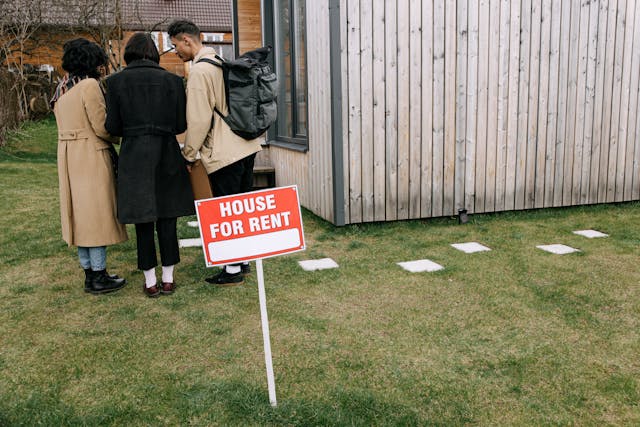
Owning rental property can be a reliable way to generate income and build long-term wealth, but it also comes with legal responsibilities. Landlords are expected to maintain safe living conditions, follow housing laws, and manage tenant relationships appropriately.
When those obligations aren’t met, liability can arise quickly. The good news is that most liability risks are manageable with the right approach.
Understanding Where Liability Comes From
Before you can protect yourself, it’s important to understand how liability typically arises in rental situations. Most claims against landlords stem from negligence, which generally means failing to take reasonable steps to prevent harm. This can include unsafe property conditions, inadequate maintenance, or failure to address known hazards. If a tenant or visitor is injured because of a condition that could have been fixed or prevented, the landlord may be held responsible.
Liability can also arise from how landlords interact with tenants. Improper handling of security deposits, unlawful eviction practices, or discriminatory behavior can lead to legal disputes that extend well beyond simple maintenance issues.
Recognizing these risks early allows landlords to take steps that minimize the chances of problems developing in the first place.
Maintaining Safe and Habitable Conditions
One of the most effective ways to reduce liability is to ensure that rental properties remain safe and habitable at all times. This goes beyond basic cleanliness and includes addressing structural issues, electrical concerns, plumbing problems, and other conditions that could pose a risk. Regular inspections can help identify potential hazards before they become serious. Fixing a loose handrail or addressing a small leak early can prevent larger issues (and potential injuries) down the line.
Responding promptly to tenant repair requests is equally important. Delays in addressing known problems can increase the likelihood of harm and strengthen a potential claim against the landlord. Keeping clear records of maintenance requests and completed repairs can also provide valuable documentation if a dispute arises.
Using Clear and Comprehensive Lease Agreements
A well-drafted lease agreement is one of the most important tools for limiting liability. It sets expectations for both the landlord and the tenant, helping to prevent misunderstandings and clarify responsibilities. The lease should clearly outline issues such as maintenance obligations, payment terms, and rules for property use. While a lease cannot eliminate all liability, it can provide a framework that supports consistent and lawful management practices.
It’s important to ensure that lease terms comply with local and state laws. Using outdated or generic lease templates can create problems if they conflict with current legal requirements. Reviewing agreements periodically and updating them as needed can help maintain compliance.
Screening Tenants Carefully and Consistently
Tenant selection plays a significant role in reducing risk. While no screening process is perfect, taking the time to evaluate applicants carefully can help identify potential issues before they arise. Consistency is key here. Applying the same criteria to all applicants helps ensure fairness and reduces the risk of discrimination claims.
At the same time, a thorough review of rental history, income stability, and references can provide insight into how a tenant is likely to behave. Clear communication during the application process also sets the tone for the landlord-tenant relationship. When expectations are established early, it becomes easier to manage issues if they arise later.
Carrying the Right Insurance Coverage
Insurance is an essential layer of protection for landlords. Standard homeowner policies are typically not sufficient for rental properties, so it’s important to have coverage designed specifically for landlords. A comprehensive policy can help protect against property damage, liability claims, and loss of rental income in certain situations. While insurance doesn’t prevent incidents from occurring, it can mitigate the financial impact if something goes wrong. It’s also worth reviewing coverage limits and exclusions carefully. Understanding what is and isn’t covered allows landlords to make informed decisions and avoid gaps in protection.
Staying Compliant With Housing Laws
Legal compliance is a critical part of minimizing liability. Landlords must follow a range of laws related to fair housing, habitability standards, and eviction procedures. Failing to comply with these requirements can lead to significant legal consequences. Fair housing laws, in particular, require landlords to treat all applicants and tenants equally, without discrimination based on protected characteristics. Even unintentional violations can result in serious claims, so it’s important to understand and follow these rules carefully.
Keeping Detailed Records
Documentation is often overlooked, but it can be one of the most valuable tools for protecting against liability. Keeping records of lease agreements, maintenance requests, communications, and inspections creates a clear history of how the property has been managed. If a dispute arises, these records can provide evidence that the landlord acted responsibly and addressed issues appropriately.
Final Thoughts on Limiting Landlord Liability
Landlord liability is a reality of owning rental property, but it doesn’t have to be overwhelming. The most effective approach is a proactive one. Seeking professional help, addressing issues early, maintaining good records, and staying informed about legal obligations can go a long way toward protecting both your property and your financial future.