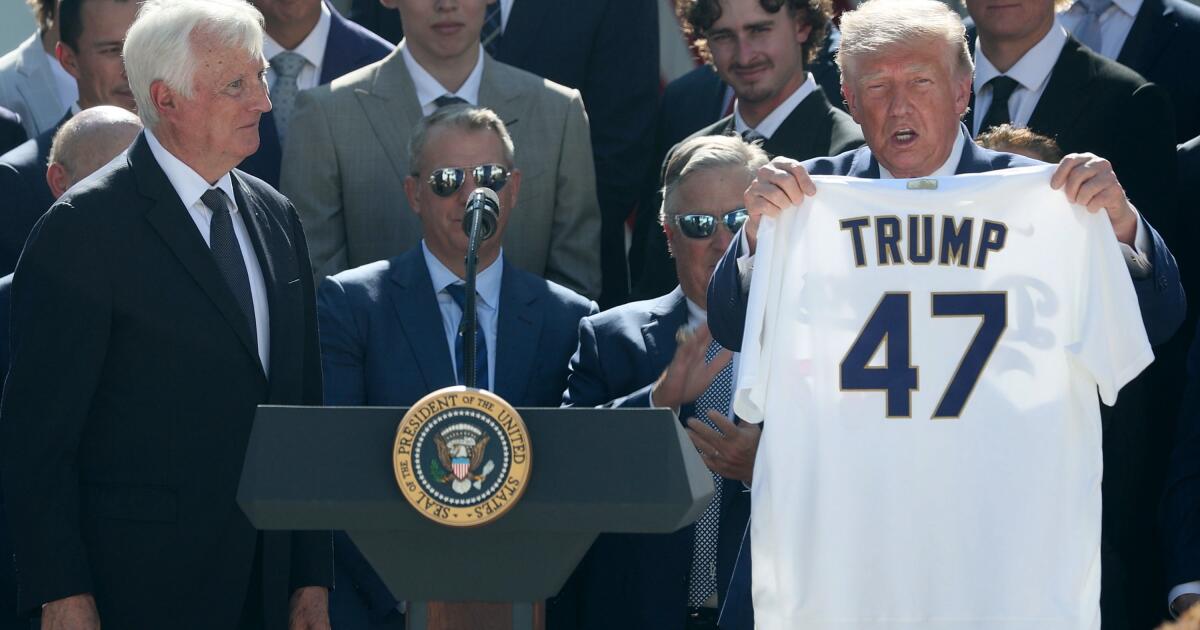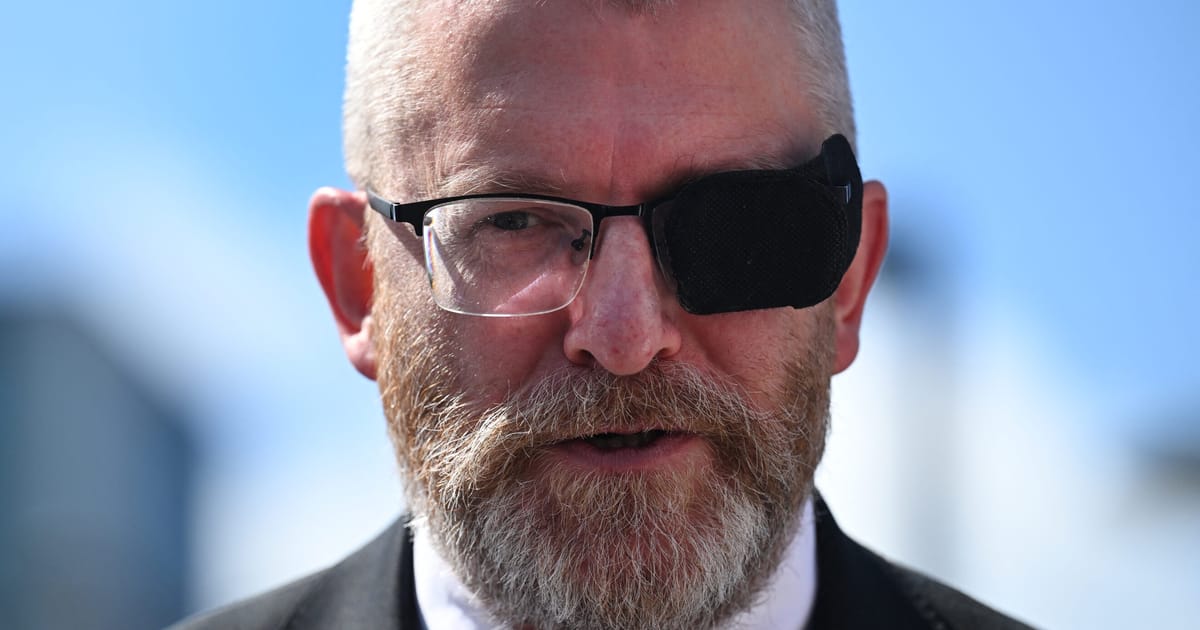
The MEP was summoned as a suspect to the Kraków branch of Poland’s Institute of National Remembrance, a state body empowered to prosecute crimes related to the Nazi occupation and communist eras.
The case stems from two interviews he gave in July 2025. In one, he declared that “Auschwitz with its gas chambers is unfortunately a fake”; in another, he described accounts of their use as a “propaganda narrative” underpinning a “quasi-religious cult.”
The existence and use of gas chambers at Auschwitz-Birkenau is extensively documented. Around a million Jews were killed in the camp, along with around 100,000 Poles, Roma, Soviet prisoners of war, gay people, Jehovah’s Witnesses and criminals.
Poland sought to strip Braun of his parliamentary immunity over the remarks, and the European Parliament approved the request in March. Braun, who has a long record of antisemitic rhetoric, is already on trial over separate alleged offenses, including his use of a fire extinguisher to disrupt a Hanukkah celebration in the Polish parliament in 2023.
Braun did not immediately respond to POLITICO’s request for comment.
His legal troubles come as his party emerges as a potentially consequential force ahead of Poland’s October 2027 parliamentary election. A CBOS poll published Monday, after allocating undecided voters, put Braun’s party at 10.2 percent, compared with 21.3 percent for the conservative Law and Justice party and 14.9 percent for the far-right Confederation.
PiS leader Jarosław Kaczyński has repeatedly ruled out an alliance with Braun’s party. But PiS prime ministerial candidate Przemysław Czarnek has drawn a narrower line: He has said Braun himself would “200 percent” not serve in a PiS-led government, while declining to exclude a coalition with his party categorically.
That distinction could matter after October 2027, when Poland’s fragmented right may need every available seat to assemble a governing majority.