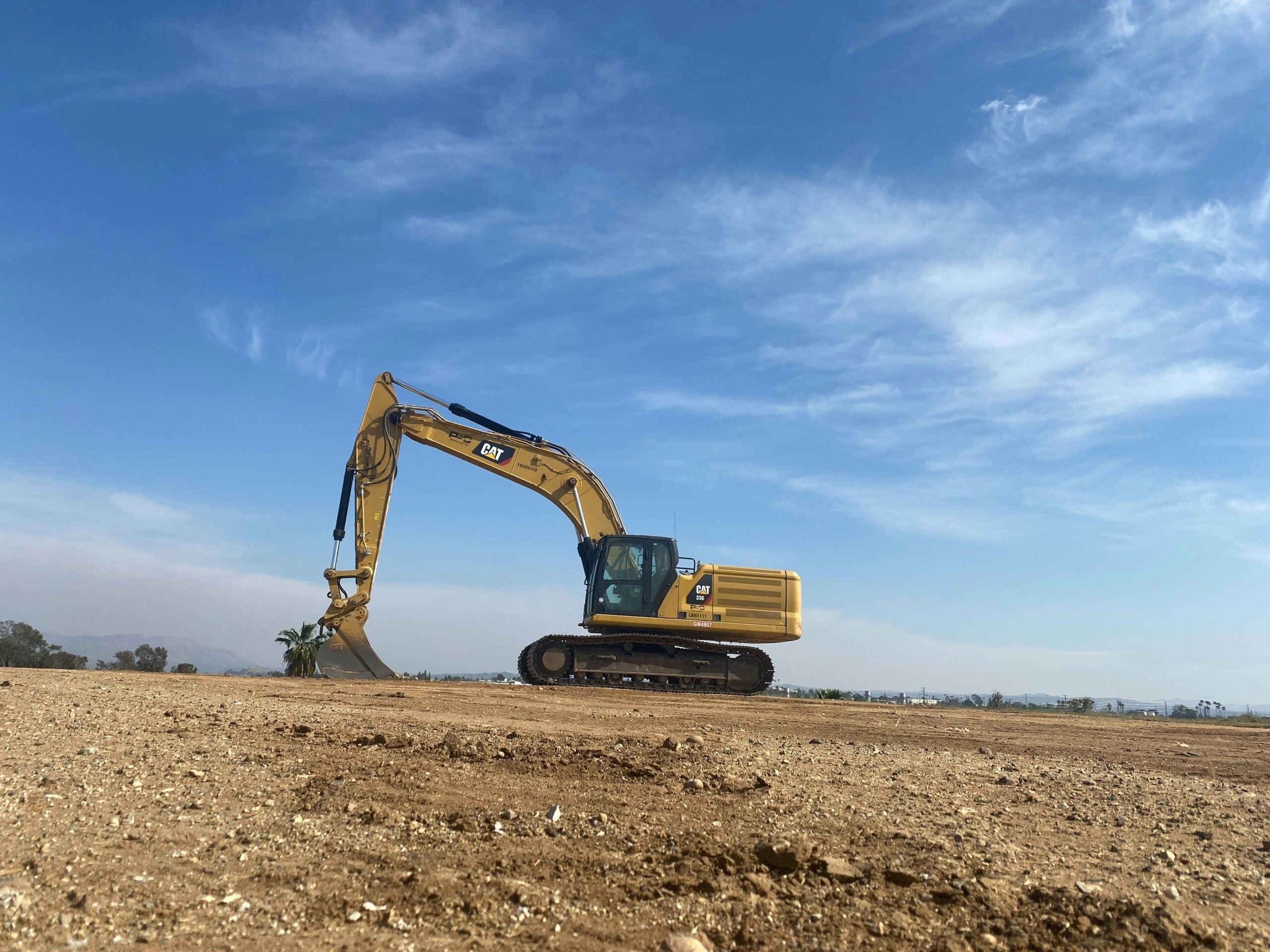
Owning an excavator means dealing with the reality of mechanical wear and tear. It’s just a part of the construction business. When your machine starts acting up on a job site, your first instinct might be to grab a wrench and figure it out yourself to save a few dollars. After all, if you can change the oil in your personal truck, how different can a piece of digging equipment be? The truth is, very different.
These machines are incredibly complex pieces of engineering, and treating them like a weekend garage project often leads to much bigger headaches down the road. This is especially true when dealing with critical, high-value components like final drive motors. If you try to swap one of those out without knowing exactly what you’re doing, you could easily do more harm than good. While checking daily fluid levels and clearing mud from the tracks are great operator habits, actual maintenance and repair work should always be handed over to professional mechanics. Here’s why turning over the toolbox is the smartest business decision you can make.
The Complexity of Modern Hydraulic Systems
Older digging equipment used to be relatively simple and mechanically straightforward. Today’s excavators, however, are packed with advanced electronics, computerized sensors, and highly sensitive hydraulic systems. A professional mechanic understands how all these intricate networks talk to each other. When a track stops spinning or a boom arm loses its lifting power, the root cause isn’t always obvious to the untrained eye. A DIYer might assume a hydraulic pump is broken and spend hours trying to replace it. Meanwhile, a trained technician knows how to run specific diagnostic tests to pinpoint a faulty relief valve or a compromised electrical relay. Tinkering with complex hydraulics without the proper factory training is a quick way to turn a minor electrical glitch into a catastrophic system failure.
Safety Hazards You Can’t Ignore
Working on large construction equipment carries inherent dangers that go far beyond pinching a finger or dropping a wrench. The hydraulic systems inside an excavator operate under immense, punishing pressure. If you accidentally crack a line or loosen a fitting while the system is still pressurized, the resulting spray of hot hydraulic fluid can easily penetrate your skin. This causes a severe medical emergency known as fluid injection, which often requires immediate surgery. Additionally, these machines weigh several tons. Suspending a boom arm, lifting a cab, or removing a track requires specialized cribbing and safety supports. Professionals show up with the exact safety gear and training needed to secure the equipment properly before they ever crawl underneath it.
The True Cost of Mechanical Guesswork
The main reason operators try to fix their own equipment is to save money on expensive labor rates. Unfortunately, this logic usually backfires in the long run. If you misdiagnose a problem based on a hunch or an internet video, you end up ordering expensive replacement parts that you didn’t actually need. Once you install that new part and realize the machine still isn’t running right, you’re out the cost of the part plus the valuable time you wasted installing it. Professional technicians show up with specialized diagnostic tools that allow them to find the exact problem the first time. They fix the root cause, not just the symptom. Paying a professional labor rate is almost always cheaper than buying parts blindly and hoping for the best.
Avoiding System Contamination
Excavator systems are incredibly sensitive to environmental contamination. When you open up a hydraulic line or pull a fuel filter out in the middle of a dusty, windy job site, you’re inviting airborne dirt and grit straight into the machine’s lifeblood. It only takes a tiny amount of debris to score a metal cylinder or destroy a precision pump. Trained mechanics know how to properly clean the surrounding area, cap open lines immediately, and maintain a sterile working environment even when they’re ankle-deep in mud. They also know exactly which fluids and lubricants to use for specific climates. Mixing the wrong hydraulic oil or pouring in a cheap aftermarket fluid can degrade internal seals rapidly, leading to constant leaks that eventually require a complete tear-down to fix.
Protecting Your Warranty and Resale Value
If your excavator is relatively new, it probably came with a comprehensive manufacturer’s warranty. Those warranties almost always include a strict clause stating that any repairs or major maintenance must be performed by a certified, authorized technician. If you decide to crack open the engine block yourself and something goes wrong, the dealership can easily void your warranty. That leaves you completely on the hook for the entire repair bill. Even if the machine is older and well out of its warranty period, having a documented service history from a reputable mechanic greatly increases its future resale value. When it comes time to upgrade your fleet, buyers want to see professional maintenance records, not a verbal promise that you did the work yourself on the weekends.
Knowing Where Your Time is Best Spent
Running a successful business means knowing exactly where your time and skills bring the most value. Your job is to operate the equipment, keep your crew on schedule, and finish client projects on time. Every single hour you spend covered in grease trying to figure out a mechanical issue is an hour you aren’t moving dirt or making money. By leaving the maintenance to the professionals, you get your machine back up and running faster. You ensure the repair is done correctly the first time, and you keep your job site safe. It’s a smart investment that pays off every single time you turn the key and get straight back to work.