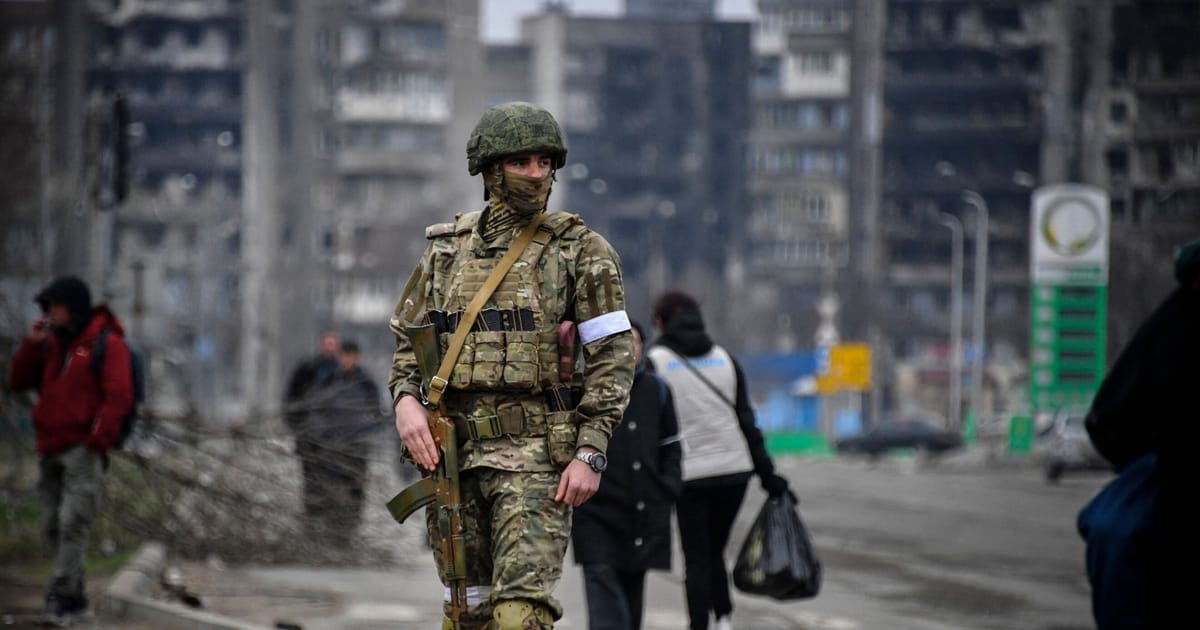
Moscow has also stifled information on court cases concerning dead soldiers. In early 2025, Russian journalists noticed an unprecedented uptick in the number of court cases emerging about soldiers being declared missing in action or dead. Military units normally ask courts to declare soldiers dead when they do not return from a battlefield for months.
“It was growing exponentially — it was big news,” Treshchanin said. “You start with 40,000 cases, then four months later you have 70,000, and two months after that, 90,000. I mean, just how many of these people could there possibly be?”
Russia 200 recorded almost 90,000 such cases in 2025 — a more than tenfold increase compared to earlier years of the invasion. “And at some point, they just classified it,” Treshchanin said, referring to the government’s decision to restrict access to these court proceedings at the end of 2025.
As for graveyard photography, Treshchanin and his colleagues are now cautious about using such methods.
“Photos of graves and videos of the funerals were an important source of information for us at the very beginning of the Russian invasion, when not much other info was available,” he explained. But once the Kremlin got wise to the technique, it became too dangerous. “Our volunteers were attacked at the cemeteries,” he explained.
The reason the Kremlin guards information about its losses so jealously is to more easily hire soldiers for the full-scale invasion of Ukraine, Ian Matveev, a Russian military analyst and an associate of the late Russian dissident Alexei Navalny, said.