In an accompanying written statement Trade Minister Chris Bryant said there is “no evidence that a formal due diligence or vetting process was undertaken” and “also no evidence that this was considered.”
But he said this decision was “understandable since this new appointment was a continuation of the Royal Family’s involvement in trade and investment promotion.”
The 17-page partially-redacted dossier suggests that it was the “wish” of the late Queen Elizabeth II for her son to take up the trade role.
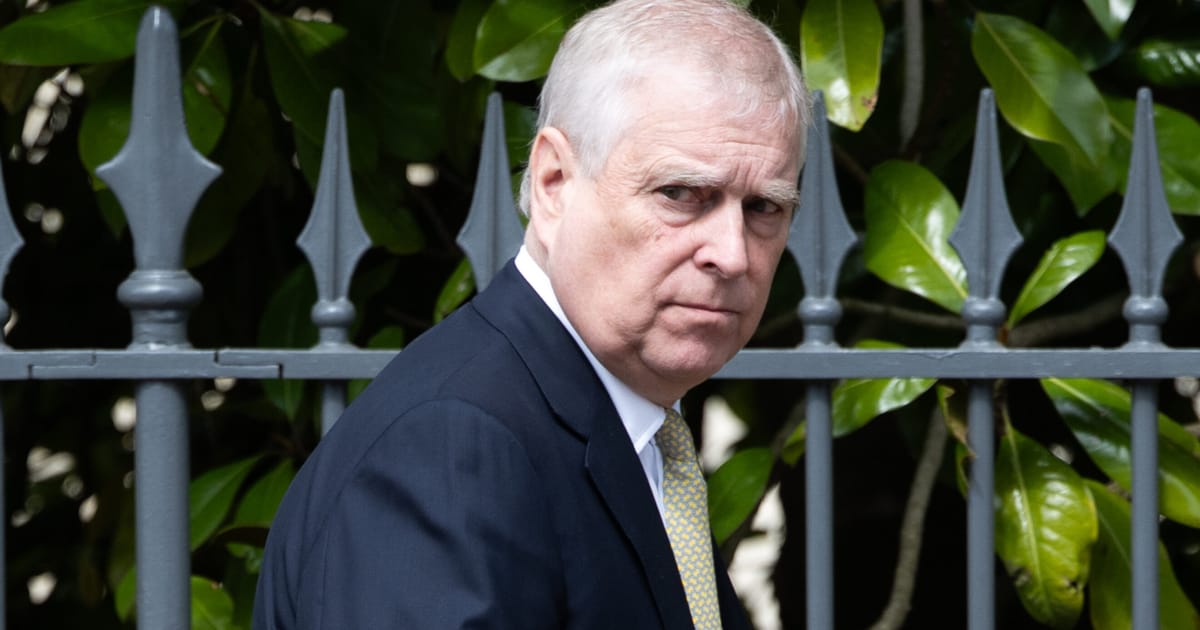
The picture painted by the documents suggests Buckingham Palace viewed the appointment as a good next move for Mountbatten-Windsor, whose Navy career was coming to an end at the same time as the Duke of Kent was stepping back from his own trade duties. It also shows that ministers approved the appointment.
In one letter outlining Mountbatten-Windsor’s preferred activities, he is described as wanting to focus on trade, technology, and “youth, including primary schools and outward bound projects.”
It also states that he had a preference for cultural visits centering on “ballet rather than theatre,” and suggests his role was structured to avoid placing undue limits on his time with formal board meetings.