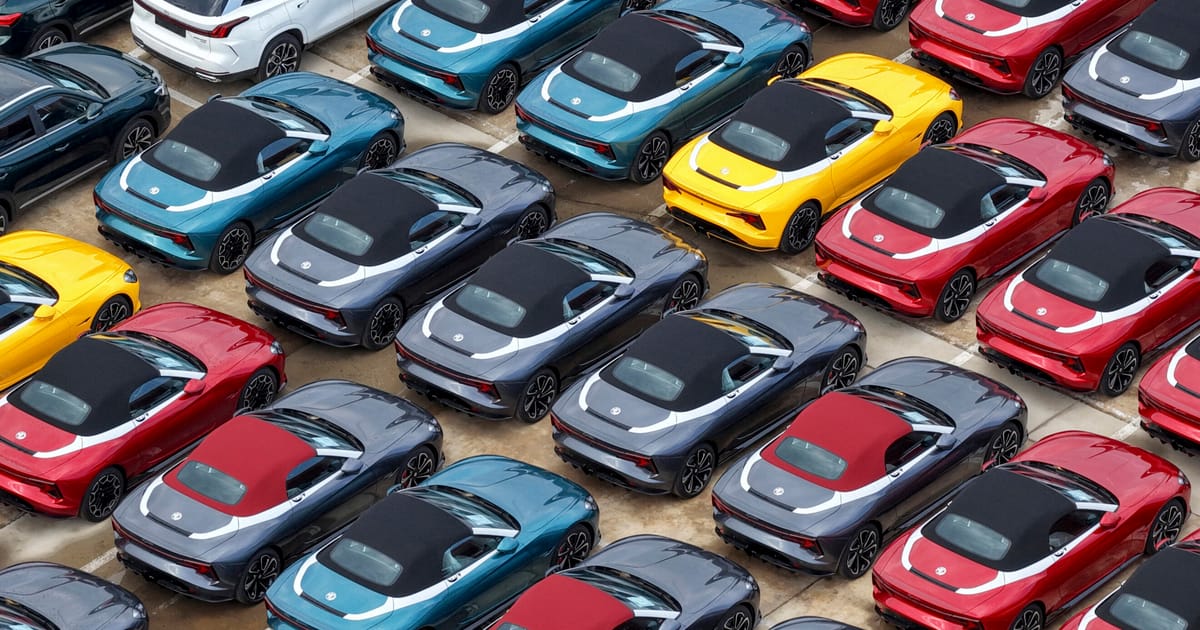
The next wave could be even more destructive, industry officials warned.
Unlike the first shock, the industries now under pressure include sectors that Europe considers central to its economic and technological future, such as electric vehicles and batteries, as well as steel, chemicals, and wind turbines.
The IAA is designed partly to blunt that pressure, limiting Chinese investments in strategic sectors like EVs, raw materials or solar panels. It would also set Made-in-EU requirements for public procurement, potentially excluding Chinese suppliers.
“The level of ambition is justified. If it’s Europe’s main tool to respond to the second China shock, it’s essential to make it count,” Sander Tordoir, chief economist at the Centre for European Reform think tank, told MEPs. “Do it right or don’t do it at all.”
Beijing has strongly objected to the IAA, but — despite some initial misgivings — it is gaining more support among EU countries and there is broad backing in the Parliament.
“The urgency has increased,” Green MEP Anna Cavazzini, co-lead on the file, said. She called the IAA a “cornerstone” of the EU’s response to China’s aggressive trade policies. “There’s a lot of alignment that we need to strengthen the Commission proposal.”