Canada has also been cautious about promising that a deal is near. Carney said last week Ottawa doesn’t care about “the timing” of an agreement to roll back tariffs on each other’s imports. And both Mark Wiseman, the Canadian Ambassador to the U.S., and Pete Hoekstra, the U.S. Ambassador to Canada, suggested at an event in Ottawa Monday that there will be a deal, even if it takes time.
“We have to take a longer timeline into account. And at the end of the day, we have to remember neither of us is moving out of the neighborhood, and we’re going to make it work,” Wiseman said. “The state of the relationship is pretty damn good.”
Trump, however, has been lobbing attacks on Ottawa since he returned to the White House, calling Canada the 51st state and threatening tariffs since shortly after his reelection win. Canada, along with Mexico and China, was one of the first countries he targeted with new duties in 2025 — despite an existing North American free trade deal and deeply entwined economies, particularly in the auto industry.
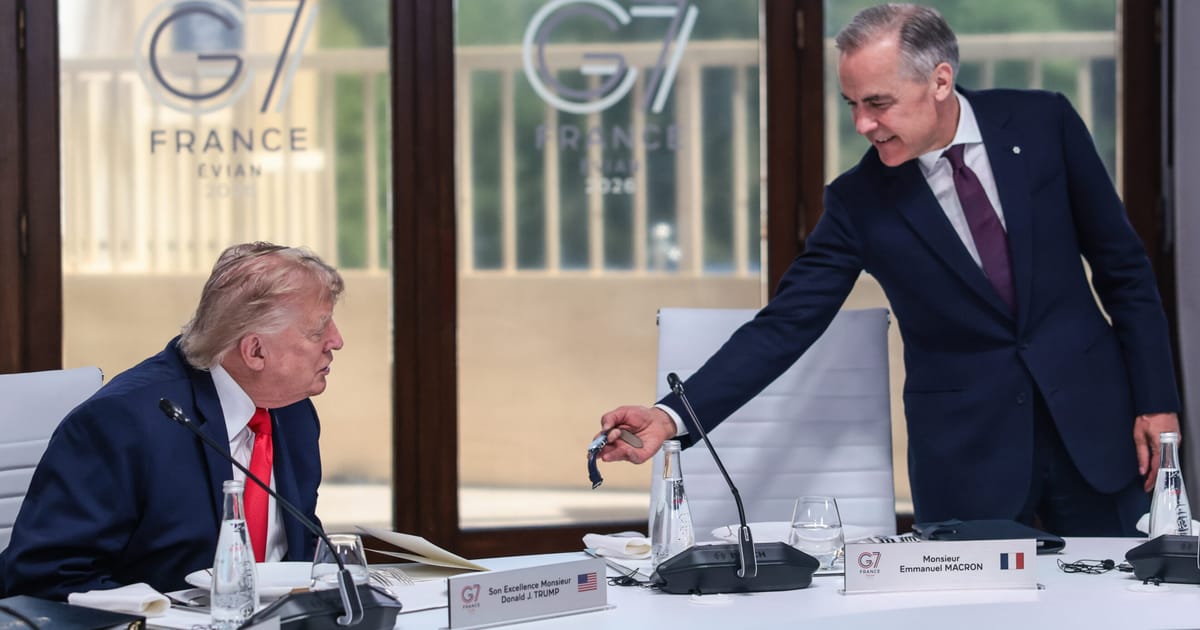
The tensions hit a crescendo this summer, when Trump announced a preliminary deal with Carney to lower U.S. duties, among other measures, before talks collapsed at the 11th hour. Washington and Ottawa then traded 50% duties on about $20 billion worth of goods, with Trump imposing a ban on certain products, like alcohol, and threatening even more punitive duties come January if their differences have not been resolved.
The forces that caused the deal to unravel in August are still in place. Canada has continued to seek lower tariff rates for key sectors, including autos, trucks, steel and aluminum — policies that are under Lutnick’s purview at the Commerce Department. The previous talks hit a snag over whether the U.S. would lower tariffs on heavy duty trucks, some of which are built in Ontario.
“Any potential Canada deal is going to have the same issue,” said an industry official granted anonymity to discuss private conversations. “And that is Lutnick’s strong reluctance to negotiate on the [sector-specific tariffs], particularly now that he is much heavier involved.”