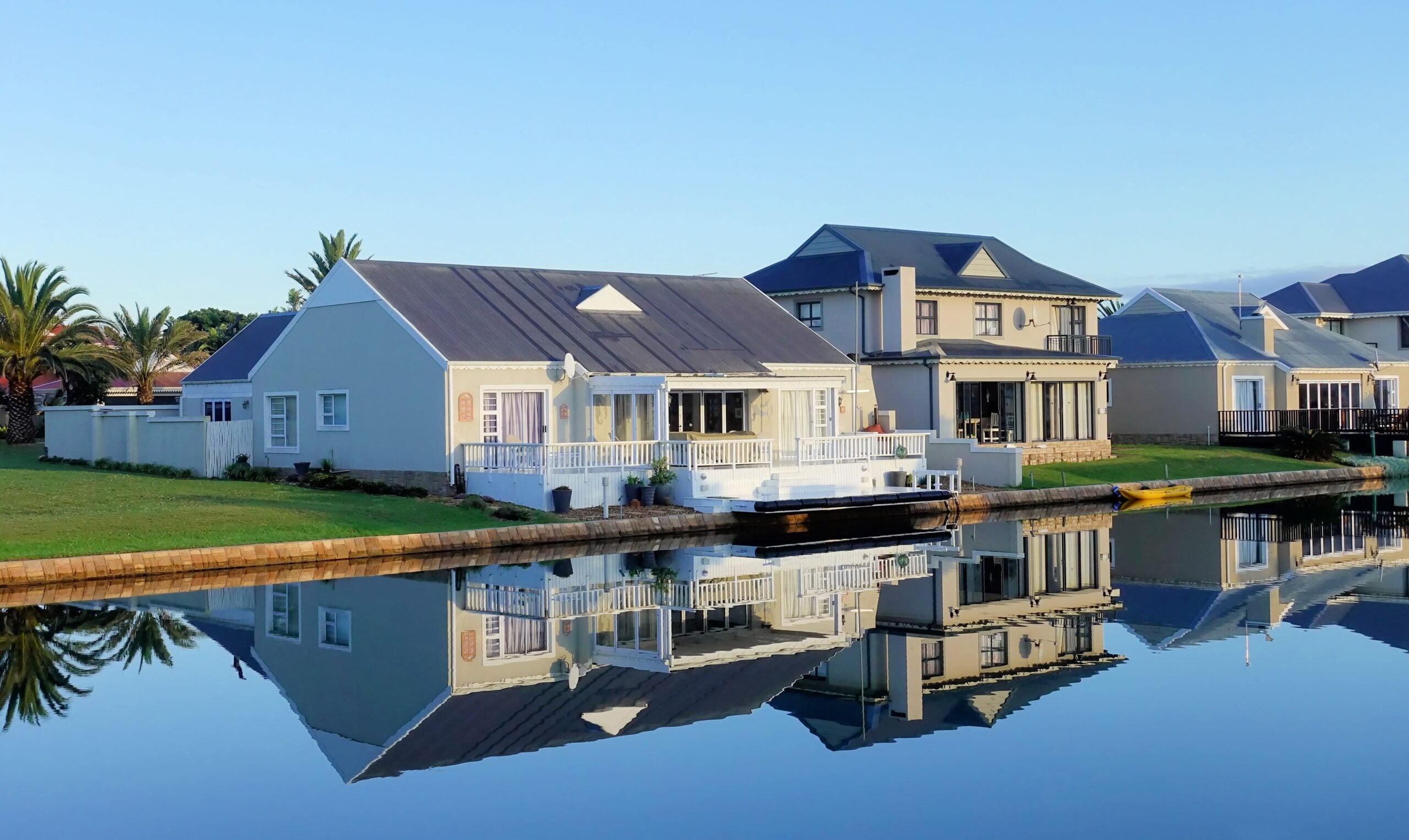
The dehumidifiers in my neighbor’s living room ran for eleven days, the same as last time and the time before that. Her 1,600 square foot slab house went up in 1974 on a Homosassa canal, and after the third flood in eight years she stopped calling drywall crews and asked a home builder homosassa fl owners around here recommend to price a rebuild instead. That question is the whole subject of this piece, and it is worth taking seriously before the next season. Past a certain point, paying to restore a house to the exact floor height the water already found is not repair, it is buying the same exposure a second and third time. Repair looks cheap per event and expensive per decade.
Three Floods Change The Repair Math
The first cleanup, back in 2017, was almost tolerable. Say it ran $16,000 with insurance carrying most of it, which is the shape these numbers usually take on a house this size. The second arrived four years later and landed nearer $34,000 once the cabinets and the ductwork under the slab were both in play, against a $5,000 deductible she had not planned for. This third one is not finished, so no final figure exists yet. Nationally the direction is not subtle. A June 2026 risk report from the insurance brokerage USI put the losses from the mid-2025 flooding across the Midwest and South at $8 billion to $10 billion, which is the sort of number that reprices coverage for everyone downstream of it.
Where Repair Dollars Stop Buying Protection
Insurance repairs put a house back the way it was. That is how the coverage is designed and it is not a complaint about anyone’s adjuster. New drywall goes up at the old height, the outlets return to the same fourteen inches, and the slab stays exactly where it was poured. So the third repair leaves the house as vulnerable as it was on the day after the first. The canal has a long memory. What usually turns up, in every driveway conversation on this street, is that the second event costs more than the first and the third costs more than both, because the finish height never moved an inch.
Elevation And Wind Terms Translated Plainly
Two terms decide most of this, and both sound worse than they are. The first is base flood elevation, which is just the height water is expected to reach in a flood with a one percent chance of happening in any given year. FEMA’s floodplain management rules require a rebuilt or substantially improved residential building in a flood zone to have its lowest floor elevated to or above that base flood elevation.
What that works out to on one specific lot comes from the local building department and the current federal flood maps, never from a contractor’s estimate, so any home builder Homosassa FL owners interview should be pulling the map panel for that address before quoting a thing. Wind is the second term, and the practical answer to it is impact-rated glass rather than a stack of plywood in the garage. One rule here is not negotiable: do not re-enter a flooded house or switch the power back on until the utilities have been cleared and the structure has been checked.
The Rebuild Numbers Neighbors Compare Most
The comparison people actually run is total spend measured against years of protection bought. Three cleanups on a 1,600 square foot house, plus deductibles, plus the contents nobody itemizes twice, can add up to a figure that would have covered a real down payment, and it purchased no additional height at all. A rebuild on the same footprint, using a plan drawn for a waterfront lot with impact-resistant windows and framing that leaves room for a future elevator, restarts the clock at a floor the maps agree with. I got sidetracked last month pricing tile for a porch I still have not built, which is its own species of avoidance. The number that matters is not the tile. It is whether the next repair cycle leaves you standing in the same water line as the last one, and on a canal lot it generally does.
The Threshold That Makes The Choice Obvious
There is a line in all of this, and it is not an emotional one. Once three repairs have restored the same floor height, a fourth buys cleanup rather than protection. That is the point where asking for an honest rebuild estimate stops feeling like disloyalty to a house you raised children in and turns into ordinary arithmetic. Nobody should have to decide during the week the fans are still running. Ask the building department what the current map says for your address, then price both paths side by side while the calendar is still quiet.